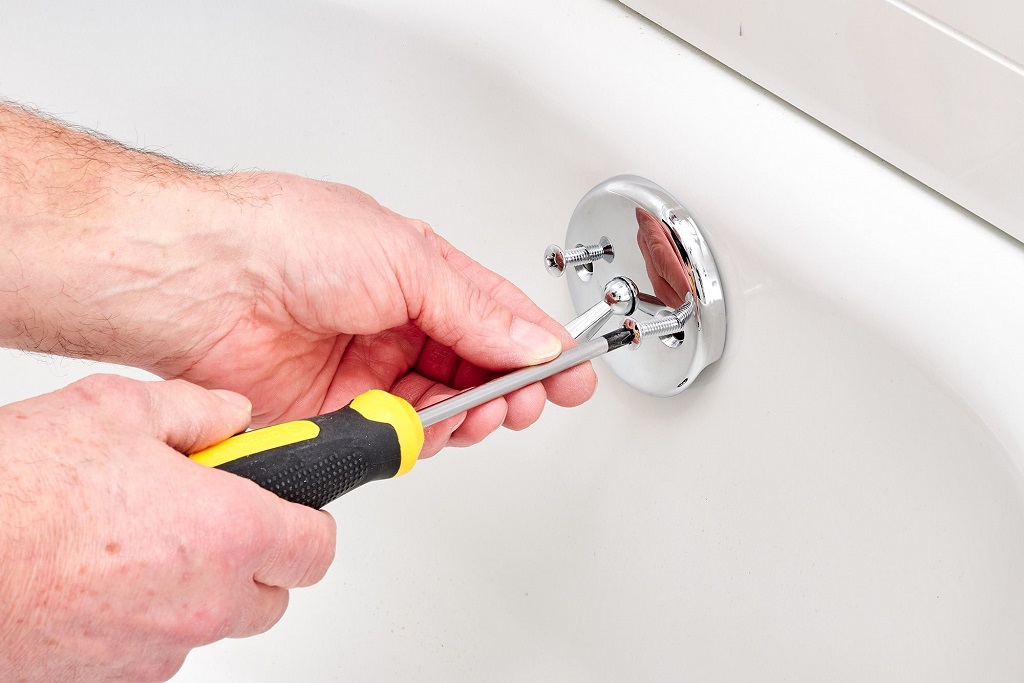
Imagine it’s the middle of the night, and you hear that dreaded drip-drip from your bathroom. Your toilet is leaking, and water is starting to pool on the floor. Panic sets in—do you know how to stop the flow quickly without flooding your home? Knowing how to turn off water to the toilet can save you from a messy disaster, expensive repairs, and unnecessary stress. Whether you’re dealing with a minor leak or preparing for a DIY fix, this simple skill is a must-have for any homeowner. In this comprehensive guide, we’ll walk you through everything you need to know, from locating the valve to troubleshooting common issues, ensuring you’re prepared for any plumbing hiccup.
Plumbing emergencies, like an overflowing toilet or a faulty fill valve, can happen to anyone, but being proactive makes all the difference. We’ll cover the basics of how to shut off the water supply to the toilet, why it’s essential, and even provide tips on what to do if things don’t go as planned. By the end, you’ll feel confident handling these situations yourself or knowing when to call in the pros.
Why You Might Need to Turn Off the Water to Your Toilet
Before diving into the how-to, let’s talk about the reasons behind this essential task. Turning off the water supply to your toilet isn’t just for major repairs—it’s a preventive measure that can avert bigger problems.
One common scenario is a running toilet that won’t stop filling, wasting gallons of water and hiking up your utility bill. Another is when you’re replacing parts like the flapper or flush valve, which requires a dry tank to work safely. If your toilet is overflowing due to a clog, quickly shutting off the supply prevents further spillage and potential water damage to floors, walls, or even the subfloor.
In older homes, corrosion or mineral buildup can cause the toilet water valve to fail, leading to leaks at the base. Knowing how to turn off the toilet water supply in these cases allows you to isolate the issue without affecting the rest of your household’s water use. It’s also handy for routine maintenance, like cleaning the tank or installing a bidet attachment.
Think about it: the average toilet uses about 1.6 gallons per flush, and a leaky one can waste up to 200 gallons a day. By mastering how to turn the water off to a toilet, you’re not only fixing immediate problems but also contributing to water conservation and lower bills.
Locating Your Toilet’s Shut-Off Valve
The first step in how to turn off water for the toilet is finding the shut-off valve. This small but mighty component is your gateway to controlling the flow.
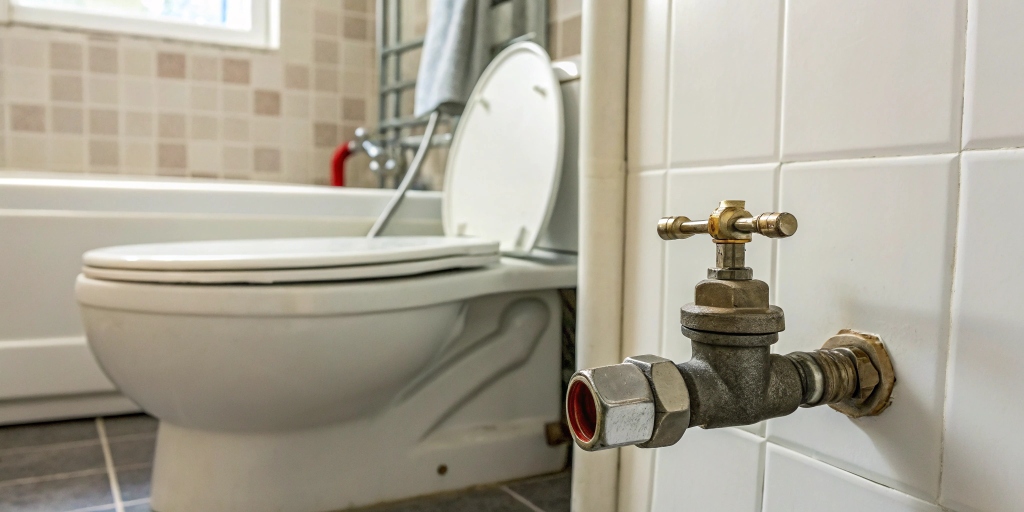
In most modern bathrooms, the valve is located behind the toilet, usually on the left side as you face it. Look for a small, oval-shaped knob or lever attached to a flexible hose (often braided stainless steel) that connects to the wall or floor. It’s typically about 3-6 inches from the base of the toilet. If your home has a pedestal sink or vanity nearby, you might need to peek around those.
For homes built before the 1990s, the setup might differ slightly. Some older models have the valve positioned directly above the floor, while others may lack an individual shut-off, requiring you to use the main house valve instead. In apartments or condos, check if the valve is hidden behind an access panel or in a utility closet.
If you’re scratching your head, wondering, “Where is my toilet shut-off valve?” don’t worry—it’s a common question. Shine a flashlight behind the toilet if the lighting is poor, and feel for the cold metal pipe. Once located, test it periodically to ensure it moves freely; stuck valves are a frequent culprit in emergencies.
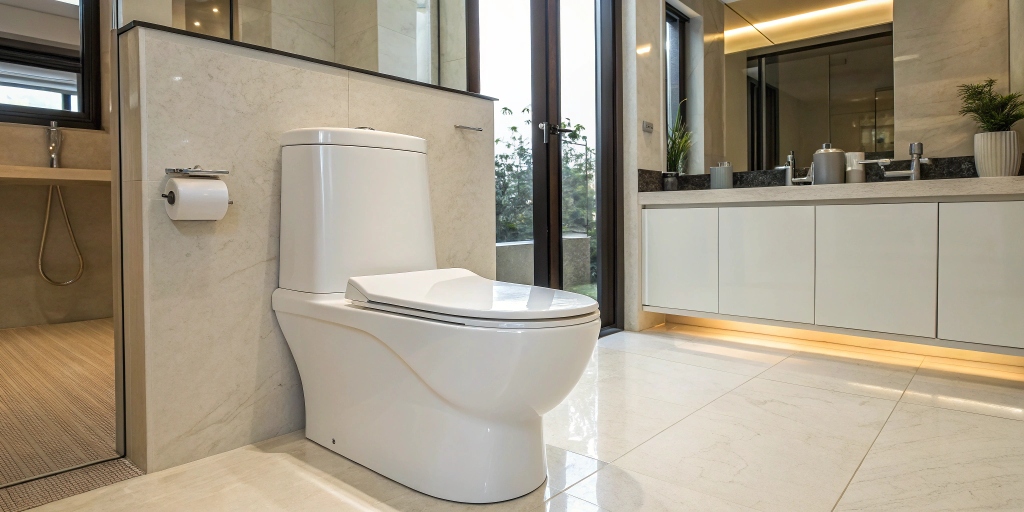
Step-by-Step: How to Turn Off the Water to the Toilet
Now, let’s get to the heart of it: how to turn off water to the toilet safely and effectively. This process usually takes less than a minute and requires no special tools.
- Prepare Your Area: Clear any items around the toilet base for easy access. Have a towel or bucket handy to catch any drips from residual water in the lines.
- Locate the Valve: As mentioned, it’s typically behind the toilet on the left. If it’s a knob-style (multi-turn) valve, it looks like a small football-shaped handle. For quarter-turn valves, it’s more like a lever.
- Turn the Valve Clockwise: Grip the knob firmly and rotate it to the right (clockwise). For multi-turn valves, you may need several full rotations until they stop. Quarter-turn valves require just a 90-degree twist. You’ll feel resistance when it’s fully closed.
- Flush to Test: Give the toilet a flush to drain the remaining water from the tank. If it doesn’t refill, you’ve successfully turned off the toilet water. If water still trickles in, double-check the valve or consider if it’s faulty.
- Drain the Tank if Needed: For repairs, remove the tank lid and use a sponge or cup to empty any leftover water.
This method works for most standard toilets, but what about push-pull valves? If yours has a push-pull mechanism (less common but found in some older fixtures), simply pull the handle out to shut off the flow. Always turn gently to avoid damaging the valve.
Remember, how to turn off a toilet water valve is straightforward, but if you’re unsure, practice during a non-emergency.
Troubleshooting: What If the Toilet Shut-Off Valve Isn’t Working?
Sometimes, things don’t go smoothly. If your toilet shut-off valve is not working, it could be due to age, corrosion, or mineral deposits from hard water. Here’s how to handle it.
First, try lubricating the valve with a penetrating oil like WD-40. Spray a small amount, wait a few minutes, then attempt to turn it again using pliers wrapped in cloth to protect the finish. Be gentle—forcing it can cause breaks and floods.
If it’s still stuck, your next option is shutting off the main water supply to the house. Locate the main valve, often near the water meter in the basement, garage, or outside in a utility box. Turn it clockwise (multi-turn) or perpendicular to the pipe (ball valve). This will cut water to everything, so inform household members first.
For persistent issues like a leaking valve or one that won’t fully close, it’s time to replace it. This involves tools like an adjustable wrench and possibly new supply lines. If you’re not comfortable, search for “how to turn off water valve toilet replacement” tutorials or call a plumber.
Another query we often hear: how long can you turn off the water to the toilet? Indefinitely, as long as the tank is empty—but don’t leave it off for weeks without flushing, as stagnant water can lead to odors or bacterial growth.
How to Flush the Toilet When Water Is Turned Off
A related concern is how to flush a toilet when the water is turned off. Without a supply, the tank won’t refill, but you can manually flush for emergencies.
Pour a bucket of water (about 1-2 gallons) directly into the bowl—not the tank. This creates enough force to push waste through the trap. For multiple flushes, keep a few buckets ready. Avoid this if the toilet is clogged, as it could overflow.
If you’re in a pinch and the water is off house-wide, use non-potable water, like from a rain barrel, but sanitize the bowl afterward.
Turning the Water Back On and Post-Checks
Once your repair is done, reversing the process is easy. Turn the valve counterclockwise until fully open. Flush the toilet to refill the tank and check for leaks around the base or connections.
Listen for unusual sounds like hissing, which might indicate a faulty fill valve. Also, inspect the supply line for kinks or wear—replace if needed to prevent future issues.
Related Plumbing Tips: Shutting Off Water to Other Fixtures
While we’re on the topic of how to turn the water off on a toilet, it’s worth knowing about other household fixtures. For sinks, look under the cabinet for hot and cold valves—turn both clockwise. Washing machines have similar valves behind the unit.
For the whole house, as noted, the main shut-off is crucial for major leaks. Learning these can empower you during broader emergencies, like burst pipes in winter.
Preventing Future Toilet Water Issues
Prevention is better than cure. Regularly check your toilet for signs of wear: jiggle the handle to stop running water, clean mineral buildup with vinegar, and schedule annual plumbing inspections.
If you live in an area with hard water, consider a softener to extend valve life. And for eco-friendly upgrades, look into low-flow toilets that save water without sacrificing performance.
Final Thoughts
Mastering how to turn off the water from the toilet empowers you to handle minor plumbing woes with confidence. From locating the valve to troubleshooting stuck ones, these steps can save time, money, and hassle. Remember, if a problem feels overwhelming—like a broken valve or persistent leak—don’t hesitate to seek professional help.
Have you ever dealt with a toilet emergency? Share your story in the comments below, or ask questions—we’re here to help! For more DIY tips, subscribe to our blog, and if you’re facing a plumbing issue today, contact your local expert for prompt service. Stay dry and prepared!
Find out more: